
Lānaʻi looks small on a map, but the island opens up very differently once pavement gives way to red-dirt roads, rocky tracks, and wide coastal stretches. To arrange remote island sightseeing here, start with the reality of the terrain: the destinations that make Lānaʻi memorable are often beyond the routes a standard rental car should attempt. A guided 4×4 excursion turns that challenge into the best part of the day.
This is the side of Lānaʻi where wind shapes the landscape, distant cliffs meet open water, and old plantation roads lead toward places that feel far removed from the resort. With the right vehicle, a knowledgeable guide, and a route built around your available time, remote sightseeing becomes accessible for couples, families, friend groups, and first-time off-road guests.
Choose the places that make the rough roads worthwhile
A good remote island day is not about covering every mile. It is about reaching a few distinctive places with enough time to appreciate what makes each one different. On Lānaʻi, that might mean beginning in the cooler uplands, traveling across the island’s interior, and finishing beside a wild shoreline.
Garden of the Gods
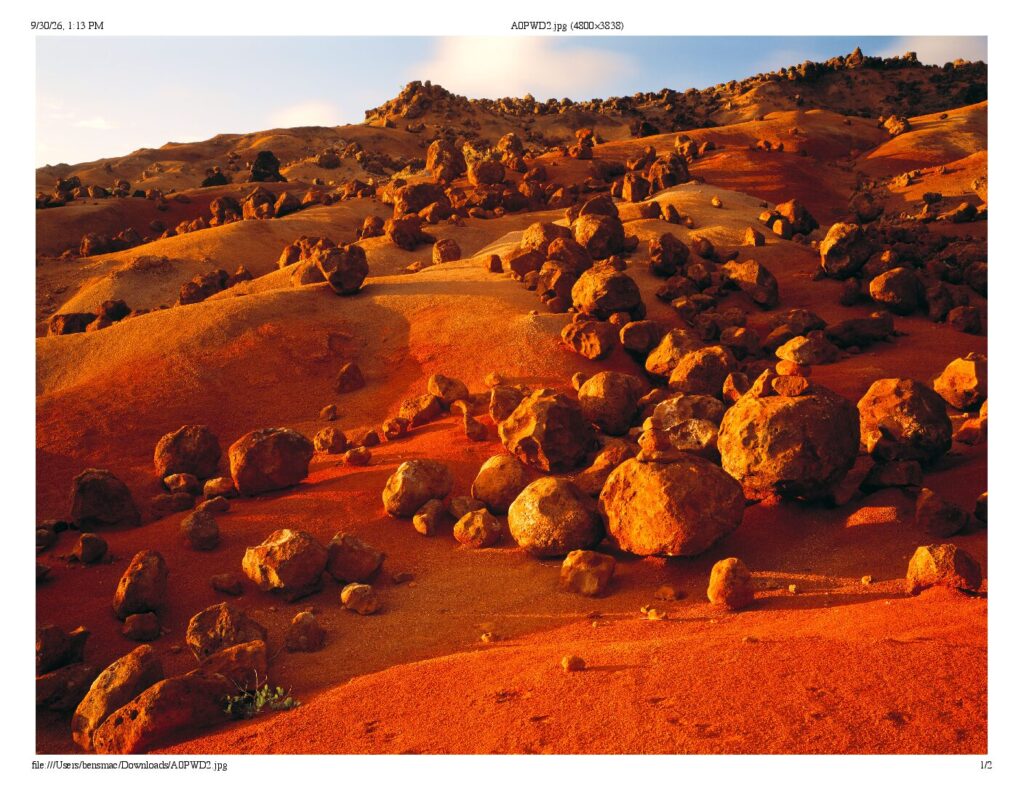
Garden of the Gods is one of Lānaʻi’s most striking off-road destinations. Its dry, otherworldly terrain is scattered with rock formations in rust, gold, purple, and deep red tones. The view can feel closer to a desert landscape than the tropical Hawaii many visitors expect.
The road there is part of the experience. Conditions can change with weather, and the terrain is not a casual drive for an unfamiliar vehicle. A guided 4×4 route lets you look out the window instead of worrying about ruts, loose rock, turnoffs, or whether the road ahead is suitable for your car. On clear days, the views can stretch toward neighboring islands across the channel.
Shipwreck Beach
On Lānaʻi’s north shore, Shipwreck Beach offers a completely different kind of drama. Offshore, the weathered hull of a ship sits in view of the coast, while long stretches of beach and trade winds create a raw, open feel. This is a place for photographs, fresh air, and a reminder that not every Hawaiian beach is meant for swimming.
The shoreline can be rough, and ocean conditions deserve respect. Your visit is about taking in the scenery, walking where conditions allow, and hearing the stories behind the coast rather than treating it like a resort beach. That distinction matters, particularly for families traveling with children.
Upland roads and unexpected viewpoints
The stops between major landmarks often become the ones people remember. Lānaʻi’s upland roads can pass through pine forests, rolling ranch country, and high viewpoints that show the island’s changing elevations. One hour may bring cool mist and forest air; the next may bring sun-baked rock and a broad ocean horizon.
A local guide can adjust the route for visibility, road conditions, and your group’s interests. If you care most about landscapes and photography, the day may favor open viewpoints. If your group wants more island history and a varied drive, the route can include roads and stops that reveal Lānaʻi beyond its postcard scenes.
How to arrange remote island sightseeing without wasting your day
The best plan begins before you arrive at the trailhead. Lānaʻi has limited road access, changing conditions, and a small-island pace that rewards thoughtful planning. Trying to improvise a backroad itinerary after landing can cost you valuable sightseeing time.
First, decide how much of your day you can dedicate to the tour. Day-trippers arriving from Maui often need to work around ferry or flight schedules, while overnight guests have more flexibility. A shorter private outing can focus on one signature area and scenic roads. A longer excursion makes room for contrasts, such as Garden of the Gods, Shipwreck Beach, and the uplands in one well-paced day.
Next, consider who is traveling with you. Off-road touring is approachable for beginners, but the right pace differs for every group. A couple may want extra time at photo stops. A family may prefer a route with frequent breaks and less time bouncing along rougher sections. Friends who came for the adventure may enjoy a fuller backroad itinerary. Share those preferences when arranging your tour so the route feels personal rather than rushed.
Finally, choose guided transportation when your priority is seeing more with less logistical stress. Independent exploration can sound appealing, but it comes with real trade-offs: vehicle restrictions, unfamiliar surfaces, navigation choices, limited cell service in some areas, and the responsibility of turning around when conditions are not right. A capable Jeep-style 4×4 and an experienced driver remove those concerns while giving you local context along the way.
What to bring for a comfortable off-road day
Remote does not have to mean complicated. Dress for a day that may include sun, wind, dust, and a cooler stop in the uplands. Closed-toe shoes are a practical choice for walking on uneven ground, and layers are more useful than a heavy jacket.
Bring water, sun protection, sunglasses, and a camera or fully charged phone. A small bag is easier to manage than loose items in the vehicle. If anyone in your group is sensitive to motion, mention it when booking and consider bringing their preferred motion-sickness remedy. The roads are part of the adventure, but a good guide can help select a route that matches your comfort level.
It also helps to arrive with realistic expectations. Remote Lānaʻi is not built around snack stands, restrooms at every stop, or polished boardwalks. That is exactly why the experience stands apart. You are visiting landscapes that remain open, rugged, and lightly developed.
Let conditions shape the route
Island weather can change quickly. Wind, rain, and recent road use can affect the comfort and accessibility of certain routes, even when the forecast looked simple that morning. The right response is flexibility, not disappointment.
A guided trip can shift toward areas with better visibility or firmer road conditions while still delivering a scenic, memorable day. Sometimes cloud cover adds mood to the uplands. Sometimes a windy coast makes the inland rock formations and sheltered viewpoints the better choice. The goal is not to force one exact itinerary. It is to use the day well and see Lānaʻi at its best.
This is also where local knowledge matters most. Knowing which route is scenic is useful. Knowing which route is appropriate after rain, where to pause safely, and when a viewpoint will be worth the drive is what makes the day feel easy for guests.
Sightseeing with respect for Lānaʻi
Remote access comes with a responsibility to leave the landscape as you found it. Stay on established roads, follow your guide’s direction at stops, and avoid climbing on fragile formations or crossing closed areas. Lānaʻi’s beauty is tied to its open space and uncrowded character, and careful visitors help preserve both.
Respect also means letting the island set the pace. There is no need to race from one landmark to the next. Pause at the overlook. Listen to the wind at Shipwreck Beach. Notice how the colors change across Garden of the Gods as the light shifts. Those quiet moments are often what separate a remote island outing from ordinary sightseeing.
Lānaʻi Guided Off Road Tours is built for travelers who want that access without turning a vacation day into a navigation project. With dependable 4×4 transportation and a route shaped around the island’s standout scenery, guests can spend their time where it counts: beyond the pavement, taking in a part of Hawaii that many visitors never see.
When you arrange your day, leave a little room for the unexpected turn in the road or the view that makes everyone ask the driver to stop. On Lānaʻi, the most memorable part of the itinerary is often waiting just past the paved road.